Reproductive planning

Reproductive planning
You decide when to have children — not your age.
Egg and sperm freezing is a form of fertility preservation for those who want more control over the timing of having children. Fertility changes over time, even when overall health is good - and understanding this early expands the options available later on.
The procedure preserves the reproductive potential you have today, so it can be considered when you decide to have children. We explain each step clearly, without unexplained technical terms.
We assess with you the most suitable timing, considering your history and test results. Schedule an evaluation and find out which preservation path makes sense for you.

How does egg freezing work?
The process begins with an evaluation of your reproductive health, including tests that help assess your ovarian reserve. From there, hormonal stimulation is used to encourage the development of multiple eggs within a single cycle, with ultrasound monitoring throughout the process.
Once the eggs are mature, retrieval is performed - a quick procedure done under sedation. The eggs then undergo vitrification - an ultra-rapid freezing technique that preserves their quality - and are safely stored until you decide to use them.
Want to know if this is the right time for you? Talk to our team.
How does sperm freezing work?
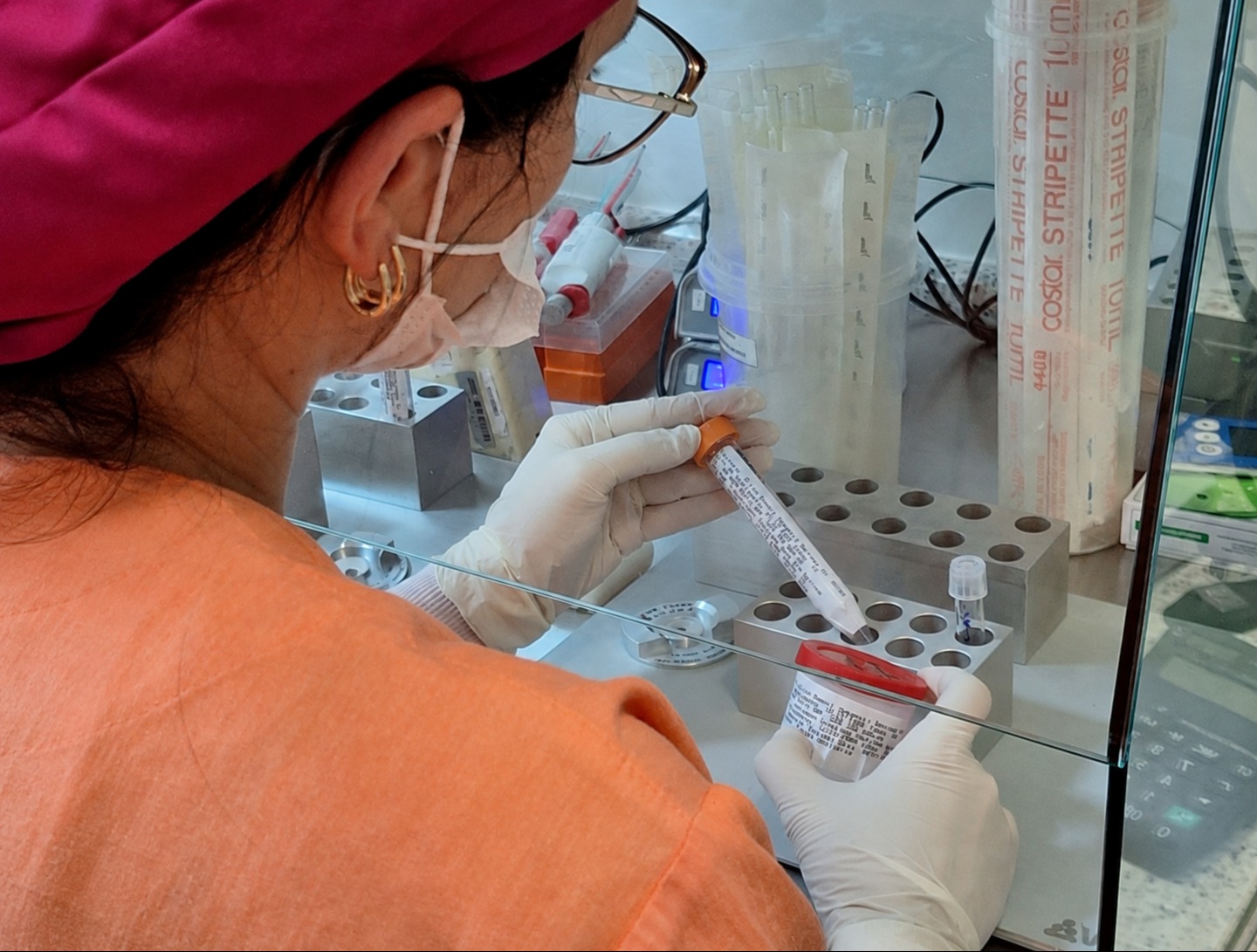
The process begins with an initial evaluation and tests that help assess sperm quality. The sample is collected in a private setting, at the Institute itself.
The sample then undergoes a preparation process and is frozen, with secure storage until you decide to use it.
Want to know if this is the right time for you? Talk to our team.
Frequently asked questions
Reproductive planning is an evaluation that helps a person or couple understand their reproductive health, their goals, and the possible paths to having children now or in the future.
It may be recommended for those thinking about getting pregnant, planning to delay that project, wanting to preserve their fertility, or needing to organize family building around their own reality. Planning isn't limited to infertility treatment.
Yes. You don't need a definitive decision to seek information.
The evaluation can help you understand your current situation and what possibilities exist, without obligating you to start treatment or freeze eggs or sperm. The goal is to provide information so your choices can be more informed.
In the first consultation, the physician reviews your health history, your reproductive background, and your plans for the future.
Previous test results, medication use, surgeries, prior treatments, and conditions that could affect fertility are also assessed. After that conversation, the physician advises which tests are needed and explains the possibilities suited to your situation.
No. You can schedule the consultation even without having any tests done.
If you already have previous results, even if not recent, bring them for evaluation. They can help the physician understand your history.
If you haven't had any tests done yet, the consultation itself will help determine which ones are actually needed.
No. You can seek guidance before starting to try.
The consultation can help you understand factors such as age, health history, prior treatments, medication use, and any situations that may deserve follow-up. It also allows you to discuss fertility preservation options, when there's interest or a clinical indication.
CFM Resolution No. 2,320/2022 permits the preservation of gametes and reproductive tissue for both medical and non-medical reasons.
There's no single age that applies to everyone. However, the earlier the conversation happens, the more time there is to evaluate possibilities and make decisions without rushing.
This evaluation becomes even more important when someone plans to delay pregnancy, has a history of a condition that could affect fertility, or will undergo medical treatment with possible reproductive impact.
Yes, but in different ways.
In women, advancing age is linked to a progressive decline in the quantity and quality of eggs, especially from age 35 onward.
In men, changes tend to happen more gradually, but age can also affect sperm characteristics and reproductive health.
For this reason, planning needs to take into account the age and clinical situation of everyone involved.
It's worth seeking guidance without waiting when there is:
- very irregular menstrual cycles or absence of menstruation;
- diagnosis or suspected endometriosis;
- surgery on the ovaries, testicles, or reproductive organs;
- family history of early menopause;
- cancer treatment or use of medications that may affect fertility;
- testicular changes, vasectomy, varicocele, or difficulty ejaculating;
- two or more pregnancy losses;
- being over 40 and wanting to get pregnant.
For those already trying to conceive, evaluation is usually recommended after 12 months of trying if the woman is under 35, or after 6 months if she's 35 or older. After age 40, evaluation should happen sooner.
The tests depend on each person's or couple's history, age, and goals.
Female evaluation may include hormonal tests, ultrasound, and ovarian reserve analysis.
For men, semen analysis is usually one of the first tests. Other tests may be requested when there's a specific indication.
There's no single test package that fits everyone. The consultation helps define what will actually be useful in each case.
No. No test can precisely determine until what age a person will be able to get pregnant or guarantee that a pregnancy will happen.
Tests like anti-Müllerian hormone and antral follicle count help estimate ovarian reserve and can guide medical decisions.
However, they don't directly measure egg quality, nor do they predict, on their own, the possibility of a spontaneous pregnancy.
No. The evaluation doesn't obligate you to start any procedure.
After learning your history and reviewing the necessary tests, the doctor can explain whether there's a condition that needs to be monitored, whether fertility preservation is indicated, or whether, at that point, ongoing monitoring is enough.
The decision should be made with information, respecting your plans and your timeline.
This possibility should be assessed considering age, health history, reproductive goals, estimated time until a future pregnancy, and treatments that could affect fertility.
Freezing can be considered by personal choice or medical indication, such as before chemotherapy, radiotherapy, certain surgeries, or other treatments with the potential to compromise the ovaries or testicles.
No. Freezing preserves a reproductive possibility, but doesn't guarantee a pregnancy or the birth of a baby.
With egg freezing, future prospects depend mainly on age at the time of retrieval, and on the quantity and quality of the eggs obtained.
With sperm freezing, the quantity and quality of the stored sperm are also factors, along with the technique needed to use them later on.
Yes. Single people can also assess their reproductive health, preserve eggs or sperm, and learn about possible paths to solo motherhood or fatherhood.
The consultation takes into account each person's life plans and clinical circumstances, without requiring that they be in a relationship or have decided when they want to have children.
Yes. Reproductive planning can be carried out by different people and family configurations.
The evaluation may address egg or sperm preservation, the need for donated gametes, deciding who will carry the pregnancy, shared pregnancy, and other possibilities permitted under Brazilian regulations.
CFM Resolution No. 2,320/2022 allows access to assisted reproduction techniques for legally capable individuals, provided there is indication, clarification, and consent from those involved.
Planning begins with the medical consultation. The costs that follow depend on the necessary tests and the decisions made after the evaluation.
If there's an indication or interest in egg freezing, sperm freezing, or another procedure, our team will present the steps, what's included, and the corresponding budget separately.
This way, you receive guidance based on your own situation, rather than a generic figure that may not match what you'll actually need.
Schedule Your Consultation
Take the next step with clarity about the possibilities available to you.
Agende sua consulta