Gamete donation: eggs or sperm

Gamete donation: eggs or sperm
You can be part of the story
of someone who dreams of becoming a mother or father.
Egg and sperm donation is a voluntary act, regulated by the Federal Council of Medicine. It has no commercial character — it is not bought, it is not sold.
When someone donates, they directly help another person move forward with their assisted reproduction treatment. It's a process accompanied at every stage by our medical and psychology team, with clear criteria and guaranteed confidentiality.
Below, we explain who can donate, how each stage works, and what you need to know before deciding.
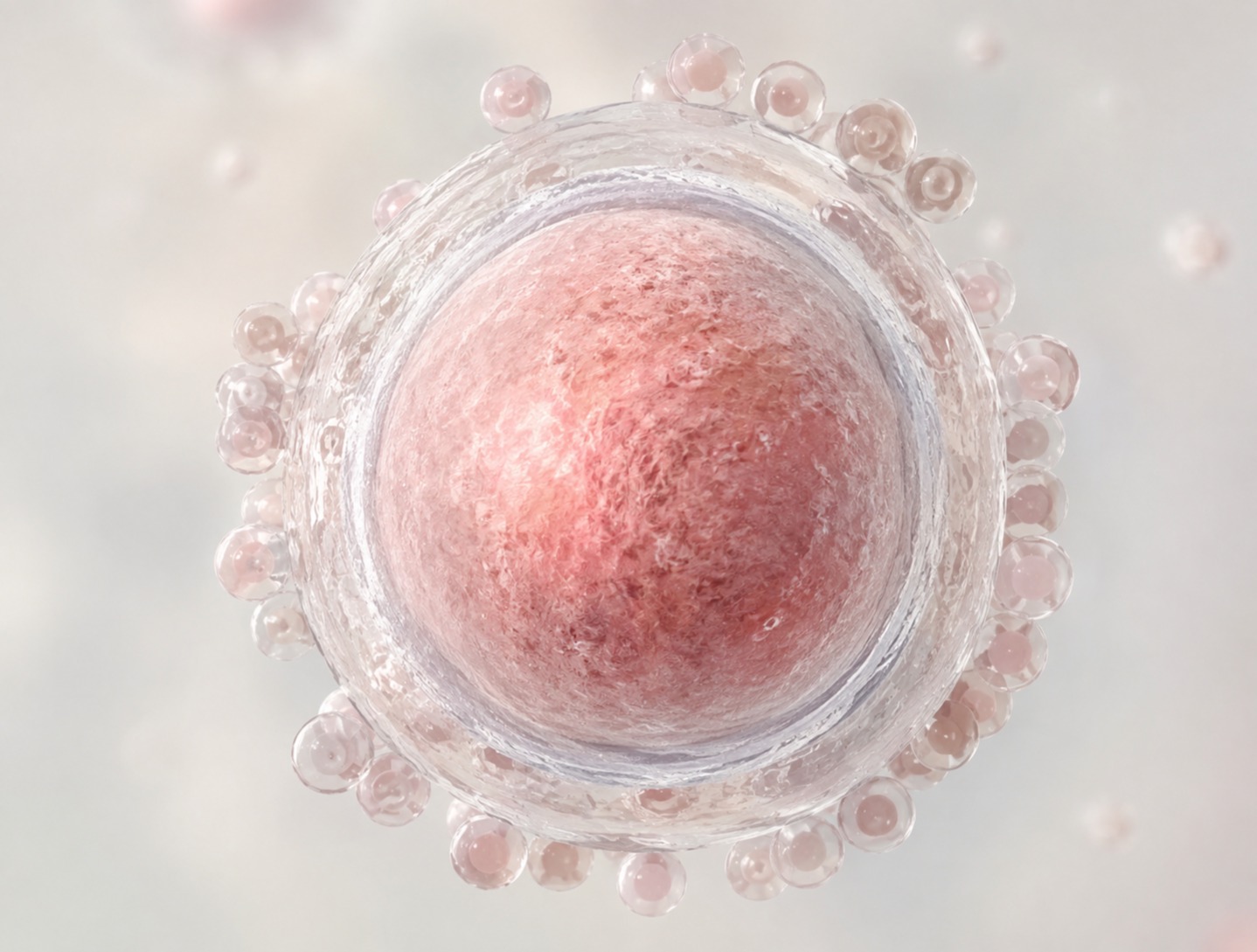
Eggs
Who can donate
- Be between 18 and 36 years, 11 months, and 29 days old on the date of retrieval
- BMI between 18.5 and 29.0
- Not be a smoker, and not use alcohol or other drugs
- Have a minimum antral follicle count of 12, assessed by ultrasound
- Pass tests confirming infectious and genetic health (karyotype, hemoglobin electrophoresis, serologies, among others)
How each stage works
- Initial screening and clinical evaluation
- Laboratory and imaging tests
- Ovarian stimulation, monitored with periodic ultrasounds
- Egg retrieval, performed in the Surgical Center
- Post-procedure follow-up

Sperm
Who can donate
- Donation from legal adulthood, with a limit of 45 years, except for exceptions provided for by regulation.
- Must undergo clinical and laboratory screening.
How each stage works
- Initial screening and clinical evaluation
- Laboratory tests (infectious and genetic)
- Sperm collection, performed at our facility
- Sample quarantine, according to the period set by regulation
- New serological screening after the quarantine period, for sample release
Confidentiality and ethical criteria
- Your identity is not shared with the recipient.
- Professionals who are part of our team may not participate as donors.
Frequently asked questions
It is the voluntary donation of eggs or sperm to help another person undergo assisted reproduction treatment. Donation cannot have a for-profit or commercial character: eggs and sperm cannot be bought or sold.
The process generally involves:
- Registration and initial screening;
- Consultation and clinical evaluation;
- A session with the psychology team;
- Laboratory tests and ultrasound;
- Use of medications to stimulate the ovaries;
- Ultrasound monitoring during stimulation;
- Egg retrieval in the Surgical Center;
- Guidance and follow-up after the procedure.
Approval to begin stimulation depends on the results of all previous steps.
Yes. In non-family donations, the donor's civil identity is not disclosed to the recipient, and the donor likewise does not receive the identity of whoever used the material.
When medically necessary, clinical information may be shared exclusively between healthcare professionals, without disclosing the donor's civil identity.
As an exception, the regulation also allows donation by relatives up to the fourth degree of one of the recipients, provided there is no risk of consanguinity.
For egg donation, the Federal Council of Medicine sets the age limit at 37. In the Institute's program, candidates are accepted between 18 years old and 36 years, 11 months, and 29 days old.
For sperm donation, candidates must be between 18 and 45 years old. In both cases, falling within the age range does not guarantee approval. All candidates undergo clinical and laboratory evaluation.
Yes. For egg donation, we assess health history, body mass index (BMI between 18.5 and 29), smoking, alcohol consumption, use of other drugs, and the antral follicle count seen on ultrasound.
For sperm donation, we assess clinical history, semen sample quality, and the results of the requested tests.
Even if a person falls within the permitted age range, screening results may prevent donation. Clinical evaluation of candidates is required by health regulations.
Screening may include tests for transmissible infections, such as HIV, hepatitis B and C, syphilis, HTLV, gonorrhea, chlamydia, and Zika, as well as genetic tests such as karyotyping and hemoglobin electrophoresis, depending on the type of donation and the team's assessment.
Other tests may be requested based on the candidate's clinical, family, or epidemiological history.
In shared egg or sperm donation, treatment costs may be shared between the donor and the recipient, according to the program's rules and the conditions formalized before starting.
This cost-sharing does not represent payment for the gametes. The donation remains voluntary and non-commercial.
No. The decision to donate depends on the donor's own free and informed consent, formalized through the program's documentation.
The process involves clinical screening, laboratory tests, semen quality analysis, and one or more collections carried out at our facility. Approved samples are processed and cryopreserved.
Sperm collection is a non-invasive procedure.
In egg donation, injectable medications may cause discomfort at the injection site, a sense of bloating, pelvic pressure, headache, or changes in overall well-being. Retrieval is performed under sedation, but cramping, pelvic tenderness, or slight bleeding may occur afterward.
The intensity of symptoms varies from person to person. It would not be responsible to claim the process is entirely painless.
No, egg donation does not affect your future fertility. The process only uses gametes that your body would naturally discard during that specific menstrual cycle, and does not cause early menopause or reduce your total ovarian reserve.
Ovarian stimulation and egg retrieval are medical procedures that carry risks, although they are performed under strict safety controls.
Adverse effects may occur related to the medications used, such as general discomfort, as well as bleeding, infection, complications associated with sedation, and Ovarian Hyperstimulation Syndrome.
Serious complications are rare, but can happen. Ultrasound monitoring, continuous medical evaluation, and well-established clinical protocols significantly reduce these risks, although they cannot be eliminated entirely.
The entire process is conducted to prioritize the safety and well-being of the donor, in accordance with applicable technical standards and legislation.
Yes. Our psychology team is involved in the process to provide guidance, answer questions, and support the emotional aspects involved in deciding on and carrying out the donation.
Schedule Your Consultation
Take the next step with clarity about the possibilities available to you.
Agende sua consulta